
Tinnitus and Exercise: How Physical Activity Can Improve Your Health and Well-Being
Tinnitus can have a major impact on your everyday life.
The constant ringing, buzzing, or hissing in the ears can lead to stress, sleep problems, and difficulty concentrating for many people with tinnitus.
The good news:
Although regular exercise and physical activity cannot directly cure tinnitus, they can help significantly reduce the burden it causes and improve your overall well-being and quality of life. In addition, regular strength training helps maintain the stability and mobility of the musculoskeletal system, which may help prevent further worsening of somatic tinnitus.
In this article, you'll learn why exercise is beneficial for people with tinnitus, which types of physical activity and sports are particularly suitable, and what you should keep in mind when exercising.
01 Why Exercise and Physical Activity Are So Important for Tinnitus
Many people notice that their tinnitus becomes worse during stressful periods. This is exactly where exercise can help. Regular physical activity has a positive effect on the body, mind, and nervous system.
Others report that they:
- Experience pain and muscle tension in the neck and shoulder area,
- Have problems with their knees or hips,
- Suffer from issues affecting the spinal discs or spine.
In these cases, strengthening the body through exercise can improve muscle strength and joint stability. This helps prevent physical factors that may trigger or worsen tinnitus.
When we talk about exercise or physical activity, we don't just mean sports. We also mean light, enjoyable forms of movement, such as:
- A short bike ride
- Half an hour of swimming
- A long walk
- A short hike
- Dancing or similar activities
All of these are small but valuable contributions to improving physical stability, flexibility, and stress regulation.
GOOD TO KNOW
Would you like to find out whether musculoskeletal problems could be affecting your tinnitus?
Take the Tinnitus Selftest Now!
02 Exercise Helps Reduce Stress
Stress is one of the main factors that can make tinnitus worse. During physical activity and exercise, your body can reduce stress hormones such as adrenaline and cortisol, while at the same time releasing so-called "feel-good hormones" known as endorphins. This improves your mood and increases your overall well-being.
Most importantly, as your stress level decreases, the heightened activity within the auditory system and the brain also begins to settle. As a result, your tinnitus may feel quieter, softer, and less intrusive.

TINNITUS AND STRESS
An elevated cortisol level can contribute to a stronger perception of tinnitus. Read more in our article on Tinnitus and Stress.
03 Exercise Strengthens Your Body and Muscles
Regular exercise and physical activity help keep your musculoskeletal system strong and healthy. Your muscles, joints, tendons, and ligaments become stronger, your posture improves, and muscle tension can be relieved more effectively. At the same time, regular movement supports your body's natural recovery processes.
Very often, tinnitus is associated with muscle tension, poor posture, or functional problems affecting the neck, shoulders, cervical spine, or jaw. Weak, imbalanced, or chronically tense muscles can make these problems worse.
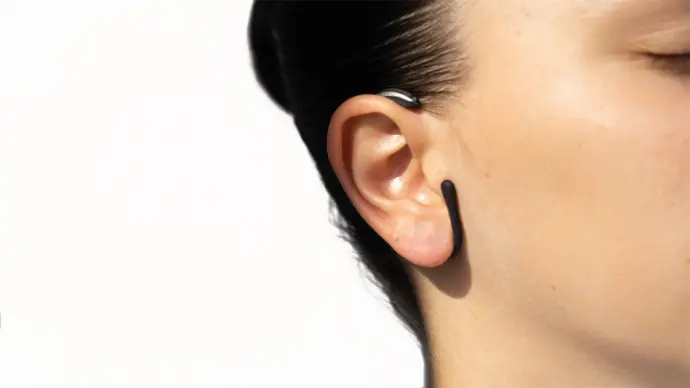

Learn everything about ForgTin® - the medical device designed to provide lasting relief from somatic tinnitus and its associated symptoms.
Regular physical activity strengthens your stabilizing muscles, improves your mobility, and helps correct muscular imbalances. This can reduce strain on your neck and back, which may also have a positive effect on tinnitus.
You can also explore the exercise routines in the ForgTin® Pro App. There, you'll find targeted exercises for the upper back and shoulder-neck area that are recommended by tinnitus experts as beneficial and effective.
04 Exercise Promotes Healthy Circulation
Good circulation helps ensure that your body receives an optimal supply of oxygen and nutrients. Endurance activities in particular support the cardiovascular system and contribute to better overall health.
When you exercise regularly - for example by walking, jogging, cycling, or swimming - your heart works more efficiently and pumps more oxygen-rich blood through your blood vessels.
This benefits all organs and tissues, including the delicate structures of the inner ear. The inner ear depends on a continuous supply of oxygen and nutrients to maintain healthy hearing function. Improved circulation may help optimize this supply and support the function of the auditory system.
In addition, regular endurance training improves the elasticity of your blood vessels and promotes what is known as microcirculation - the blood flow through the smallest blood vessels. Since the inner ear is supplied by a very fine network of blood vessels, healthy microcirculation may play an important role in maintaining the health of the auditory system.
At the same time, endurance exercise helps reduce stress by lowering stress hormones such as cortisol and promoting the release of endorphins. Because stress can often make tinnitus worse, many people with tinnitus benefit in more than one way.
05 Exercise Improves Sleep Quality
Many people with tinnitus notice that their ear noises become more noticeable at night. Regular physical activity can help, as exercise supports your natural sleep-wake cycle, reduces stress, and promotes the recovery of the nervous system.
Endurance activities such as walking, cycling, and swimming, as well as relaxing forms of exercise like yoga, can help you fall asleep more easily and enjoy more restful sleep.
At the same time, exercise reduces stress hormones and stimulates the release of mood-enhancing neurotransmitters.
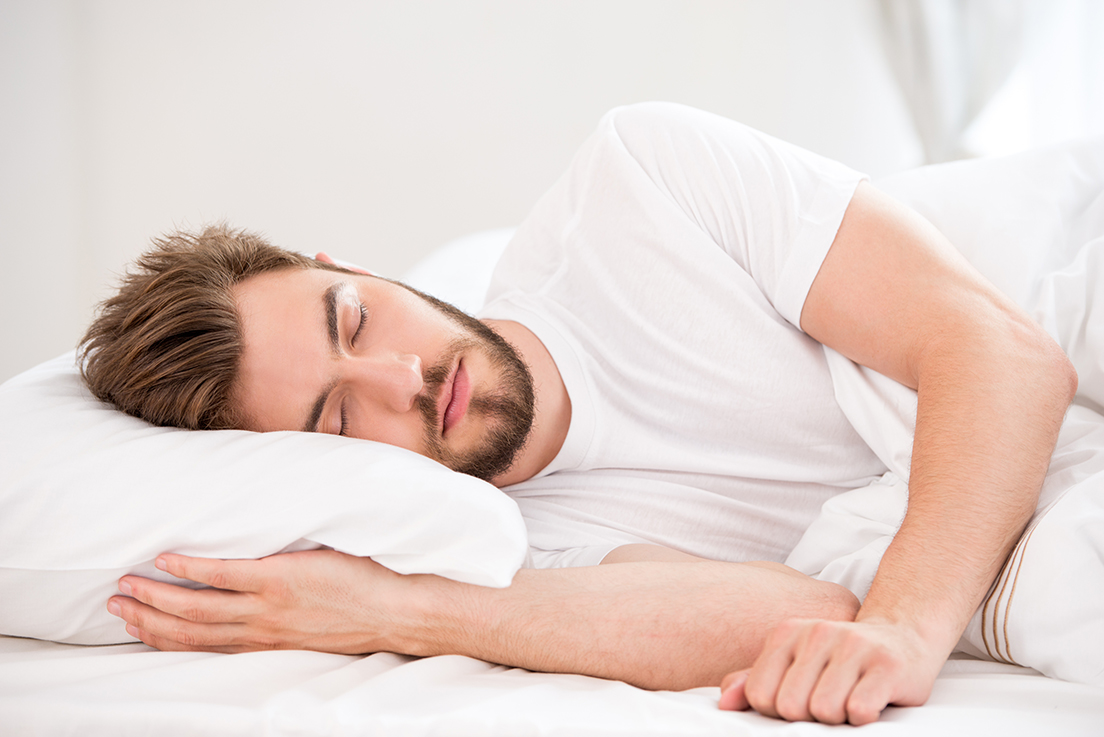
Targeted muscle activation can also help your body relax more effectively afterward. During exercise, your muscles are deliberately engaged and challenged. Afterward, they naturally enter a phase of relaxation, during which muscle tension decreases. This cycle of tension and relaxation helps the body release accumulated muscular tension.
For people with tinnitus, this type of relaxation and good-quality sleep are especially important. A well-rested nervous system often responds less sensitively to tinnitus, and many people report that their tinnitus feels less bothersome after a good night's sleep.
If you are using ForgTin® ear clamps to support your tinnitus recovery, regular exercise and active relaxation can further support the regenerative processes in your nervous system and auditory system. The ForgTin® Pro App also allows you to track step by step how your sleep quality, stress levels, and tinnitus improve over time.
CONCLUSION:
Better Quality of Life Despite Tinnitus
Regular physical activity can help you pay less attention to your tinnitus and regain a sense of control over your health. Many people with tinnitus discover that exercise is an important step out of the feeling of helplessness that is often associated with severe tinnitus and low mood.
The experience of being able to actively contribute to your own well-being strengthens your sense of self-efficacy and can significantly reduce the emotional burden caused by tinnitus. For many people, this is an encouraging realization on the path toward better managing their symptoms.
While exercise cannot cure tinnitus, it can help significantly reduce the burden caused by the ear noises. Regular physical activity helps reduce stress, improves sleep, strengthens both your physical and mental health, and enhances your overall well-being.
Would you like to know which types of exercise are best suited for tinnitus? Then read our next blog article on the best sports and physical activities for people with tinnitus!
Frequently Asked Questions About Tinnitus
No. Regular exercise and physical activity cannot directly cure tinnitus, but they can play an important role in significantly reducing its impact. By lowering stress, improving sleep, and strengthening your muscles, exercise can noticeably improve your well-being and quality of life.
Exercise supports tinnitus management in several ways:
Stress Reduction: Physical activity lowers stress hormones such as cortisol and adrenaline while stimulating the release of feel-good hormones (endorphins). As stress levels decrease, the brain often perceives the tinnitus sound as quieter and less intrusive.
Muscle Relaxation: Exercise strengthens the muscles in the shoulders, neck, and jaw while relieving muscle tension, which is a common trigger for somatic tinnitus.
Improved Circulation: Endurance exercise promotes microcirculation in the inner ear, helping the delicate auditory structures receive a better supply of oxygen and nutrients.
Better Sleep: A well-rested body and a recovered nervous system tend to be less sensitive to tinnitus, both during the day and at night.
No. You don't need to participate in high-intensity sports to benefit. Even light and enjoyable physical activities can improve physical stability and help regulate stress. Examples include:
A long walk or a short hike
A short bike ride
Half an hour of swimming
Dancing or relaxing forms of exercise, such as yoga