
The Best Sports and Activities for Tinnitus
Not every type of sport is equally suitable. As a general rule:
The best sport is one that you can manage well physically, that you enjoy, and that you can integrate into your everyday life in the long term.
- Individually suitable: Choose a form of exercise that suits your physical abilities.
- Enjoyment comes first: Enjoying exercise helps maintain long-term motivation.
- Suitable for everyday life: Consistency is more important than intensity.
If you haven't exercised for a long time and haven't been very physically active, start slowly and don't overexert yourself.
Exercise for Tinnitus:
How Endurance Exercise, Yoga, and Pilates Can Provide Relief
Endurance exercise is one of the most common recommendations for people with tinnitus. Recent research shows that people with higher levels of physical activity often experience less tinnitus-related distress. A recent study even showed that an increase in physical activity is associated with a decrease in tinnitus-related distress.
Circulation & relaxation: Endurance exercise promotes circulation and reduces both physical and mental stress.
Shoulder and neck focus: Many forms of tinnitus (somatic tinnitus) are closely associated with tension in the cervical spine and neck.
The right amount: Avoid overexertion and always pay attention to a relaxed, ergonomic posture.

GOOD TO KNOW
Would you like to find out whether musculoskeletal problems could be affecting your tinnitus?
01 Well-Suited Endurance Sports for Tinnitus
WALKING & NORDIC WALKING:
Gentle Full-Body Activation

Walking and Nordic walking in particular are ideal forms of exercise for gently activating the entire musculoskeletal system.
While walking primarily trains the legs and core, Nordic walking also engages the muscles of the shoulders, arms, and back. The rhythmic movements promote circulation, improve posture, and can help relieve tension in the shoulder and neck area. At the same time, the joints, tendons, and ligaments are exercised gently.
Make sure to maintain an upright posture with relaxed shoulders and a loose arm swing. When Nordic walking, the poles should be actively pushed backward so that the shoulders and upper back can benefit optimally from the movement. In this way, Nordic walking combines endurance training with targeted mobilization and strengthening of the shoulder and neck area.
IMPORTANT
After Nordic walking, take some time to stretch and loosen up your body, especially your shoulder and neck area. For many people with tinnitus, the shoulder and neck area plays an important role. In these cases, loosening and stretching this area can be particularly helpful.
JOGGEN:
Dynamic Balance for Muscle Tension

If your tinnitus can be influenced by movements of the cervical spine, muscle tension, or poor posture, regular jogging may also be beneficial.
The dynamic movement helps stabilize the neck, shoulder, and core muscles, improves circulation, and counteracts a lack of physical activity. Many runners also report that tension in the shoulder and neck area is relieved and their posture improves.
IMPORTANT
It is important to maintain a relaxed running technique: Keep your shoulders relaxed, avoid a forward head posture, and increase the intensity gradually.
CYCLING:
Ergonomic Stress Relief

The steady movement promotes circulation, improves endurance, and activates the muscles of the core, shoulders, and neck. At the same time, regular cycling helps reduce stress caused by a lack of physical activity and improves physical well-being.
TIP
However, maintaining the correct posture on the bike is also important. Make sure your shoulders remain as relaxed as possible and avoid keeping your head in an overextended position for long periods. A riding position that is too sporty or poorly adjusted can worsen neck problems. With an ergonomic posture and an appropriate training intensity, cycling can help positively influence muscular factors that may play a role in somatic tinnitus.
SWIMMING:
Joint-Friendly Strengthening

Swimming can make a very positive contribution to the long-term improvement of musculoskeletal stability and overall well-being.
In the water, the joints and spine are relieved of strain, while the muscles of the back, shoulders, and neck are strengthened evenly. The flowing movements promote mobility and can help reduce muscle tension.
Good to Know
However, choosing the right swimming style is important. Breaststroke with the head constantly raised can place unnecessary strain on the neck, which may worsen tinnitus. Backstroke or freestyle with a relaxed head position are often the better choice.
Mind-Body Methods
For Body and Mind
YOGA for Tinnitus
Yoga combines strengthening and stretching movements, breathing, and relaxation. Most people with chronic tinnitus can benefit from this, particularly when their tinnitus is triggered or worsened by stress, problems in the jaw, shoulder, and neck area, or issues affecting the musculoskeletal system.
Good to Know
Many yoga instructors also offer targeted exercises for the shoulder and neck area, which is often under considerable strain. Breathing exercises can be used specifically for relaxation and to actively release muscle tension. This improves circulation and supports the regeneration of the nervous system.

PILATES for Better Posture
Pilates strengthens the deep muscles and improves your posture. Since poor posture and muscle tension affect tinnitus in a surprisingly large number of people, Pilates can be a useful addition to your exercise routine. The method specifically promotes good posture, strengthens the deep muscles, and improves mobility.
Posture correction: Through slow, controlled exercises, you strengthen the deep core and back muscles that are responsible for maintaining an upright posture. At the same time, shortened or tense muscle groups are stretched and loosened. This can help correct poor posture and reduce strain in the neck and shoulder area.
Stress reduction through breathing: Another important aspect is conscious breathing. Pilates combines each movement with a controlled breathing technique that can calm the nervous system and reduce stress. Since stress often increases the perception of tinnitus, many people with tinnitus also benefit from this relaxing effect.

Strength Training for Tinnitus:
What You Should Pay Attention To
Moderate strength training can be an important part of a healthy lifestyle. It strengthens the muscles, improves posture, and can help reduce tension in the neck, shoulders, and back.
However, especially if you have somatic tinnitus, you should exercise mindfully. With somatic tinnitus, the neck muscles, cervical spine, shoulder area, or jaw joint can have a direct influence on the intensity of the tinnitus sounds.
Mindfulness instead of maximum effort:
Light to moderate weights help prevent unwanted muscle tension.
Somatic influences:
The neck, cervical spine, and jaw can directly influence tinnitus sounds.
Post-workout recovery is essential:
Targeted stretching after exercise helps relax the muscles and nervous system.
STRENGTH TRAINING for Somatic Tinnitus
Excessive physical strain can increase muscle tension in the head, throat, and neck area and temporarily worsen symptoms. If you have somatic tinnitus, you should therefore keep the following points in mind:
Train with light to moderate weights.
Avoid maximum-effort strength exercises.
Pay attention to proper exercise technique.
Avoid excessive straining during exercise.
Focus on controlled movements.
Stretching After Exercise Is Particularly Important
After each training session, you should allow enough time for mindful and gentle stretching.
Relevant muscle groups and areas to stretch include:
- Neck
- Shoulders
- Chest muscles
- Back
- Cervical spine
Gentle stretching can reduce muscle tension and improve mobility. At the same time, stretching supports relaxation of the nervous system and may help reduce symptoms associated with somatic tinnitus.
Did You Know?
Around 80% of all people with tinnitus have somatic tinnitus. ForgTin® can help you with this.
Free Consultation: Find out in a no-obligation, free initial consultation whether you may also have somatic contributing factors.
Share and Help Others with Tinnitus:

The Best Strategy:
Consistency Instead of Maximum Performance
Many people think that only intense exercise produces noticeable results. However, with tinnitus, the opposite is often true. Just 30 minutes of moderate physical activity on most days of the week can have a positive impact on your health and well-being.
What People Often Think Matters
Peak performance & maximum intensity
Excessive muscle building
Pushing yourself to the point of exhaustion
Short bursts of power
What Really Matters with Tinnitus
Consistency in everyday life
Enjoying physical activity
Sufficient recovery
Long-term habits
CONCLUSION:
Exercise Can Be an Important Part of Managing Tinnitus.
Endurance sports, yoga, Pilates, and moderate strength training are particularly suitable. If you have somatic tinnitus, you should pay attention to a moderate training intensity and make sure to stretch and loosen your muscles consistently and mindfully after exercise.
In this way, physical activity can become a valuable form of support on your path toward a better quality of life despite tinnitus.
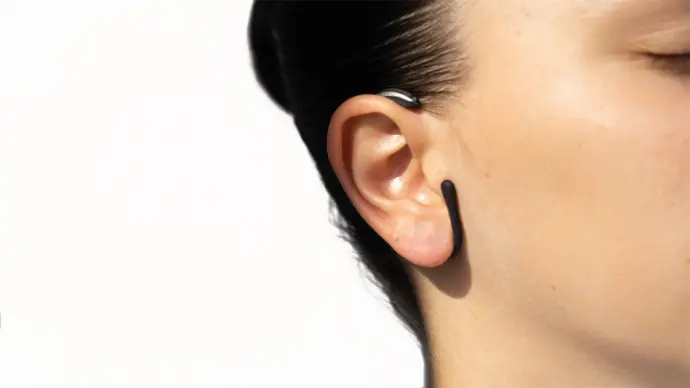

Learn everything about ForgTin® - the medical device designed to provide lasting relief from somatic tinnitus and its associated symptoms.
Frequently Asked Questions About Tinnitus
Yes, this can happen temporarily—especially with somatic tinnitus. If you train with weights that are too heavy, hold your breath during exertion, or perform exercises with improper technique, tension in the neck, shoulder, and jaw muscles increases. This can temporarily make the tinnitus sounds more noticeable. Therefore, make sure to exercise at a moderate intensity, breathe naturally, and stretch gently after your workout.
Endurance sports and gentle forms of exercise that promote circulation and relieve tension in the neck area are particularly suitable:
Walking & Nordic Walking (helps relieve tension in the upper body)
Swimming (especially backstroke or freestyle to maintain a neutral head position)
Cycling (make sure to maintain an ergonomic, upright riding position)
Yoga & Pilates (strengthen the deep muscles and reduce stress levels)
Around 80% of people with tinnitus have a somatic form of tinnitus. In this form, nerve connections from the cervical spine, neck muscles, and jaw joint extend directly to the auditory centers in the brain. Poor posture or muscle tension can irritate these nerves and directly influence the volume or pitch of tinnitus.