
What to Do When Tinnitus Becomes Unbearable?
When tinnitus takes over your life, it can feel incredibly overwhelming. You may hear the sound from the moment you wake up until you fall asleep. It may keep you awake at night, make it difficult to concentrate, or leave you feeling constantly tense. Many people with tinnitus describe reaching a point where it feels unbearable - the moment when it seems as though everything revolves around the ringing in their ears.
The good news is: you do not have to face it helplessly.
Although tinnitus does not disappear completely in every case, there are now many effective ways to significantly reduce both the symptoms and the distress it causes. Modern tinnitus research shows that the right combination of proper diagnosis, treatment, and self-care can lead to noticeable improvements.
Looking Beyond the Sound: A Holistic View of Tinnitus Causes
An important first step is understanding that tinnitus is often not just an issue with the ears. In many cases, entirely different underlying factors play a key role. These may include:
- High levels of acute or chronic stress
- Physical factors such as jaw or neck tension
- Disorders affecting the musculoskeletal system.
This is why there is no one-size-fits-all solution for tinnitus. The best treatment outcomes are achieved when different therapeutic approaches are tailored to your individual situation.
When Your Tinnitus Feels Unbearable: What Can Help Right Now
When your tinnitus feels especially distressing, there's probably one thing you want most: for the sound to disappear immediately.
Unfortunately, that's often not something that can happen right away.
During periods of acute distress, the goal is not to fight the sound but to help your nervous system leave its state of heightened alert. The more anxiety, tension, and the urge to control the sound increase, the more noticeable tinnitus often becomes. This can create a vicious cycle of distress.
Expert Tip: Avoid Complete Silence Whenever Possible
Pleasant background sounds such as nature sounds, rainfall, a fan, or calming music can help reduce the contrast between silence and tinnitus. Many people with tinnitus find that this alone provides an initial sense of relief.
The Unconscious Cycle of Control
You may also recognize the urge to constantly check:
Is the sound still there?
Has it become louder?
Will it ever get better?
As understandable as these thoughts are, they unfortunately train your brain to pay even more attention to the tinnitus, making it feel even more noticeable.
Instead, try to consciously shift your attention to other things.
Activities you enjoy, going for a walk, having meaningful conversations, listening to music, or practicing relaxation techniques can all help redirect your focus away from the tinnitus. The goal is not to fight the sound, but to relieve your nervous system as a whole.
Important to know:
However, this does not mean that you simply have to live with your tinnitus, as many people still mistakenly believe.
Remind yourself that you can take action.
With the support of experienced healthcare professionals, you can identify the underlying causes and triggers of your tinnitus and combine the most appropriate modern treatment approaches for your individual situation.

FINDING YOUR INDIVIDUAL PATH - TOGETHER
Let's systematically identify the underlying causes of your tinnitus and find the modern treatment approaches that are right for you.
Discover the Underlying Causes and Triggers of your Tinnitus
Many people initially look for a quick fix. However, tinnitus is not a disease in itself but a symptom that can have a variety of underlying causes.
Possible underlying causes and triggers include:
Conditions affecting the ear
Physical or psychological trauma
Stress and chronic overload
Sleep disorders
Jaw problems (joints, teeth, or muscles)
Neck problems (e.g. disc disorders, muscle tension, poor posture, injuries, or degenerative changes)
Disorders, injuries, or degenerative changes affecting the musculoskeletal system
Certain medications
Circulatory disorders
Neurological disorders
And many more
Why a Thorough Assessment Makes All the Difference:
The more thoroughly the underlying causes are assessed, the more precisely your treatment can be tailored to your tinnitus. This helps avoid unnecessary detours, saves valuable time, and reduces stress and frustration.
The Most Important Step:
An Individualized Root Cause Assessment
That is why every successful treatment begins with a thorough assessment of the underlying causes. Because no two cases of tinnitus are the same.
While hearing loss may be the primary factor for some people, others are more affected by stress, sleep problems, jaw disorders, neck tension, or other physical contributing factors.
Holistic & Individualized: Our Approach for You
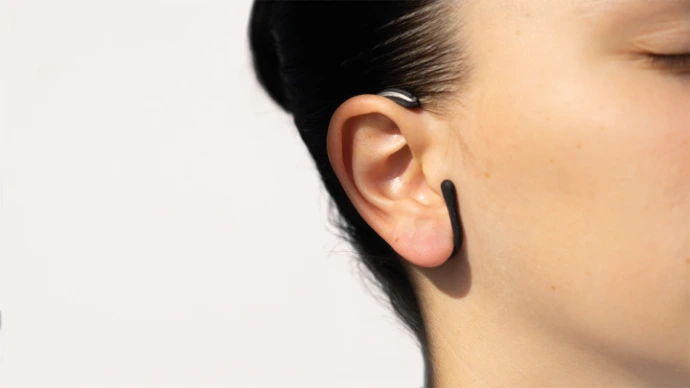
That is why we take the time to look at your individual situation from a holistic perspective. Together, we identify potential causes, contributing factors, and triggers, and use these insights to develop personalized recommendations for you. We also assess whether gentle pressure stimulation with ForgTin® could be the right treatment option for your tinnitus.
ForgTin® has already helped 85% of users to achieve a significant improvement in their tinnitus symptoms within six weeks.
More Than Symptom Relief: Finding Clarity
From our experience, we know that a structured assessment alone can often provide greater clarity, reassurance, and relief – especially if you feel that you have not yet received satisfactory answers.
Our goal is not to look at your symptoms in isolation, but to identify the factors that contribute to and maintain your tinnitus.
GOOD TO KNOW
Have you ever wondered how gentle pressure stimulation behind the ear could help reduce the impact of tinnitus on your daily life? Our tinnitus selftest can help you better understand your tinnitus.
When You Should Seek Medical Evaluation for Tinnitus
Although tinnitus is not dangerous in most cases, there are situations in which you should seek medical attention promptly.
This is especially important if:
Your tinnitus starts suddenly
You experience hearing loss at the same time
It is accompanied by severe dizziness or vertigo
You develop facial weakness or other neurological symptoms
Your symptoms begin after a head injury
The sound pulses in rhythm with your heartbeat
In these situations, your tinnitus may have an underlying cause that should be evaluated and treated as early as possible.
Even if you have been living with tinnitus for a long time and it is significantly affecting your quality of life, a comprehensive medical and audiological evaluation is worthwhile.
YOUR PERSONAL PATH TO GREATER PEACE OF MIND
What Modern Tinnitus Therapy Can Offer
You may already have heard about medications, dietary supplements, or other supposed miracle cures for tinnitus. However, current research shows that these are generally not the key to achieving lasting improvement.
The Most Effective Treatment Approaches Today Include:
Comprehensive tinnitus education
Hearing aids for people with hearing loss
Neuromodulation
Sound therapy
Cognitive Behavioral Therapy (CBT)
Treatment of sleep disorders
Stress management
Treatment of physical contributing factors, such as jaw or neck problems
Your Path Toward Lasting Relief
Modern treatments for tinnitus, stress, and sleep disorders focus on a combination of neurostimulation, targeted active exercises, relaxation, and behavioral changes.
If your tinnitus has become unbearable, you don't need rushed action or miracle cures.
What you need is a clear plan:
- A comprehensive medical and audiological evaluation
- A hearing test if hearing loss is suspected
- Hearing aids, if needed
- A detailed assessment of potential somatic causes of tinnitus
- An evaluation of sleep quality, stress, and psychological well-being
- Treatment of possible jaw and neck-related contributing factors
- Cognitive behavioral therapy (CBT) or other behavioral support
- Additional treatment options where appropriate for your individual situation
This structured approach reflects current best practices in tinnitus care and offers the best chance of achieving lasting improvement.
You don't have to figure out what's causing your tinnitus on your own
Many people spend months or even years trying different approaches without knowing exactly which factors are actually influencing their tinnitus.
A professional initial consultation can help identify the underlying factors and develop a clear plan for the next steps.
This structured approach reflects the current state of tinnitus therapy and offers the best chance of achieving lasting improvement.
A Holistic Perspective:
We take into account known potential contributing factors from the following areas
Hearing
Stress and emotional strain
Sleep quality
Jaw function and teeth grinding
Neck and spine
Musculoskeletal system
Lifestyle and recovery
Regulatory medicine

GET EXPERT ADVICE
Schedule your comprehensive initial consultation and root cause assessment today. Together, we'll identify the factors contributing to your tinnitus and determine which treatment approaches are most appropriate for your individual situation. können.
Conclusion:
You Don't Need a Miracle Cure – You Need the Right Path
Tinnitus usually does not become unbearable because the sound itself is especially loud. It often becomes unbearable when poor sleep, stress, worry, and tension overwhelm your body's overall stress response.
That is why the most effective support is rarely found in a single measure. Rather, it is about addressing the different contributing factors step by step.
The strongest evidence currently supports:
A comprehensive diagnostic assessment
Hearing tests and hearing aids, when hearing loss is present
Neuromodulation
Cognitive Behavioral Therapy (CBT)
Treatment of physical contributing factors
A mindful approach to managing stress and improving sleep
If your tinnitus feels unbearable, there is one thing you should know above all:
There are effective ways to significantly reduce the burden of tinnitus. You don't have to go through this alone - and you don't have to wait and hope that it will eventually get better on its own.
Frequently Asked Questions About Tinnitus
Yes. Although the sound itself does not always disappear completely, the distress caused by tinnitus can often be significantly reduced. With a thorough assessment and an individualized treatment plan, many people experience a noticeable improvement in their quality of life.
Acupuncture may be a helpful complementary treatment for some people. However, the scientific evidence is mixed, which is why it should generally be considered an adjunct rather than a primary treatment.
Be cautious of products that promise a quick cure. For many dietary supplements, herbal remedies, and Ginkgo products, there is currently insufficient scientific evidence to support their effectiveness for tinnitus.
Yes, absolutely. Hearing loss is one of the most common factors associated with tinnitus. A hearing test provides important information for further assessment and treatment and can be an essential step toward effective tinnitus management.